
At that point, the simplest path is a GP visit. And yes, for many people, the big question becomes: How do they get referred for a sleep study in Melbourne through their GP?
What signs make a GP consider a referral?
A GP will usually look for a pattern, not just one bad night. Things that often trigger a conversation include loud snoring, choking or gasping in sleep, morning headaches, unrefreshing sleep, and daytime sleepiness that interferes with driving or work. If these symptoms are ongoing, a sleep study Melbourne may be recommended to identify the underlying cause and guide appropriate treatment.
They may also ask about risk factors like high blood pressure, type 2 diabetes, being overweight, reflux, alcohol use, and family history. Sometimes it is not even the snoring. It is insomnia, restless legs, or weird sleep behaviours that are hard to explain. Still, the question stays the same for the patient: How do they get referred for a sleep study in Melbourne through their GP?
What should they bring to the GP appointment?
It helps if they show up with specifics because sleep problems can be vague when someone is tired.
A useful list includes:
- How long the issue has been happening
- Typical bedtime and wake time
- Whether they wake often, and why
- Any reports from a partner, like snoring or pauses in breathing
- Daytime symptoms, especially fatigue or dozing off
- Current medications and supplements
- Any relevant medical history, like blood pressure or mood issues
If they have a wearable summary, it can be a conversation starter, but it is not a diagnosis. The GP is still the gatekeeper for the next step, which is often exactly this: How do they get referred for a sleep study in Melbourne through their GP?
What questions will the GP ask to assess sleep apnoea?
The GP may screen for obstructive sleep apnoea using questions similar to STOP-BANG or the Epworth Sleepiness Scale. They will ask about snoring, tiredness, observed apnoeas, blood pressure, BMI, age, neck size, and gender. They might also check the throat and nose and take a blood pressure reading there and then. For a better understanding of sleep-related breathing disorders, patients can also explore common signs and symptoms of sleep apnoea from trusted health resources.
If the risk looks moderate to high, the GP will often discuss testing options. This is usually the moment the patient realises the process is not mysterious. It is structured. And it answers the same practical question: How do they get referred for a sleep study in Melbourne through their GP?
What types of sleep studies might they be referred for?
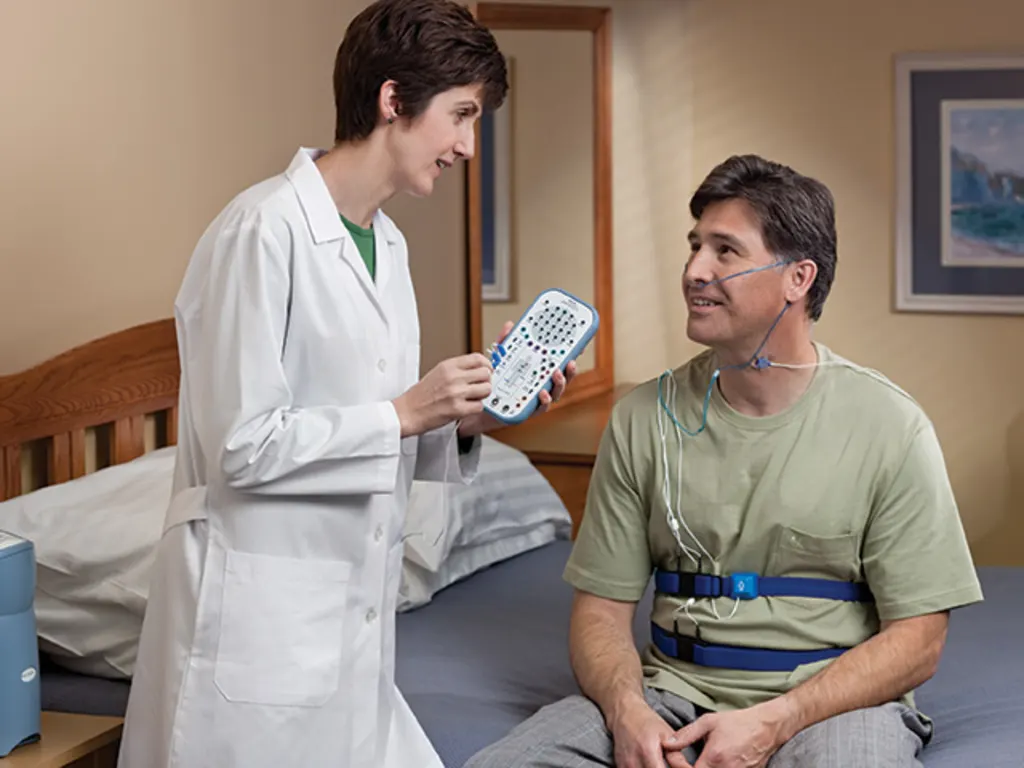
In Melbourne, referrals commonly lead to either a home sleep apnoea test or an in-lab overnight study (polysomnography). The choice depends on symptoms, complexity, and safety.
A home test is often used when obstructive sleep apnoea seems likely and there are no major complicating factors. An in-lab study is more detailed and may be used when symptoms are complex, when other disorders are suspected, or when prior testing was unclear.
So when they ask, How do they get referred for a sleep study in Melbourne through their GP? part of the answer is: the GP decides what kind makes sense for their situation.
How does the GP referral actually work in Melbourne?
Practically, the GP writes a referral letter to a sleep physician, a public hospital clinic, or sometimes directly to a private sleep clinic depending on local pathways. The referral usually includes symptoms, relevant history, medications, and the reason for testing. Patients may also learn more about how sleep studies are used to diagnose sleep disorders before attending their appointment.
From there, the patient books an appointment or the clinic contacts them, depending on the service. Wait times vary greatly between public and private. Costs vary too, which matters because people are trying to make a health decision and a budget decision at the same time.
Still, the mechanics are straightforward once they see it. How do they get referred for a sleep study in Melbourne through their GP? They ask, the GP assesses, and the GP sends the referral to the appropriate service.
Will Medicare cover it, and what might it cost?
Costs depend on whether they go public or private, and whether the service is bulk billed. Some consultations and tests attract Medicare rebates, but out-of-pocket costs are common in private pathways. Home tests can sometimes be cheaper than in-lab studies, but not always.
It is worth them asking the GP clinic and the sleep clinic directly for an estimate in £. Also, if they have private health insurance, they should check what is covered for inpatient or outpatient sleep studies and any equipment.
Money is often the reason people delay. Which is why the question keeps coming back in plain terms: How do they get referred for a sleep study in Melbourne through their GP, and what will it cost them?
What happens after the sleep study results come back?
Results usually go to the referring doctor and/or the sleep specialist. If obstructive sleep apnoea is diagnosed, next steps may include CPAP therapy, a mandibular advancement device (a dental splint), weight management support, positional therapy, or treatment for nasal obstruction. If insomnia or another condition is found, treatment might involve sleep psychology (CBT I), medication review, or other specialist input.
In many cases, the GP stays involved for ongoing care, prescriptions, and monitoring, even if a sleep physician leads the plan. That continuity is part of why people start with the same pathway: How do they get referred for a sleep study in Melbourne through their GP?

What can they do if they feel dismissed or stuck?
If they feel brushed off, they can bring clearer examples, ask for screening tools to be used, or request a second opinion with another GP. They can also ask directly whether a referral is appropriate given their symptoms, especially if there are safety concerns like nodding off while driving.
It is their sleep, health, and safety, so the referral process should never feel like a guessing game. They deserve clear guidance on getting a GP referral for a sleep study in Melbourne.
What is the simplest summary of the process?
They book a GP appointment, describe symptoms clearly, get assessed for risk, and if indicated the GP writes a referral to a sleep service. Then they complete the test and review results with the GP and or sleep specialist.
It sounds almost too simple when written down, but that is the point. For most people, How do they get referred for a sleep study in Melbourne through their GP? is answered by one step they can take this week. Book the GP visit, and bring the details.