
What CBD Oil Is and Where It Comes From
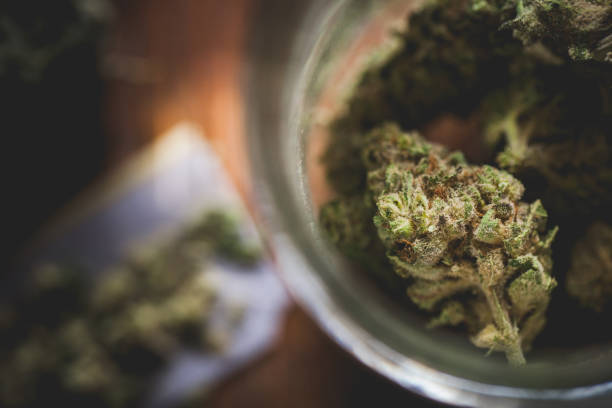
CBD oil is a natural extract derived from the hemp plant, a variety of Cannabis sativa. It contains cannabidiol (CBD), a non-intoxicating compound, blended with a carrier oil like hemp seed or coconut oil. Unlike THC, CBD does not produce a “high” and is primarily used for wellness and balance support.
How CBD Oil Works in the Body
CBD interacts with the endocannabinoid system (ECS), a network that helps regulate balance in sleep, mood, stress, and physical comfort. Rather than forcing effects, CBD supports the ECS to help the body maintain a steady internal state, potentially promoting relaxation and overall wellness.
Common Reasons People Use CBD Oil
People use CBD oil for a variety of reasons, including easing mild aches, supporting stress management, promoting relaxation, or improving sleep quality. It is often chosen as part of a daily wellness routine because of its plant-based, non-intoxicating properties.
What to Expect When Using CBD Oil for the First Time
First-time users may notice subtle effects like feeling calmer or more balanced. Changes are often gradual, and consistent use is typically needed to observe results. Starting with a low dose and increasing slowly allows the body to adjust safely and helps identify the ideal amount for personal needs.
Safety Considerations and General Usage Guidance
Using high-quality CBD oil is essential for safety and effectiveness. Look for third-party lab testing, clear ingredient lists, and accurate CBD content. Mild side effects such as fatigue or digestive discomfort are possible. Those taking medications or managing health conditions should consult a healthcare professional before use.
How to Read a CBD Oil Label
When choosing CBD oil, check the following:
- CBD Content: Ensure the total CBD amount is clearly listed.
- Third-Party Testing: Certificates of analysis (COA) confirm purity and potency.
- Ingredients: Avoid unnecessary additives or fillers.
- THC Content: Legally, most hemp-derived CBD oils contain less than 0.3% THC.
- Dosage Instructions: Follow recommended serving sizes to start safely.
Reading labels carefully helps ensure you select a product that is safe, effective, and trustworthy.
Conclusion
Quality matters when choosing CBD oil. By understanding how to read labels, checking for testing, and starting slowly, you can make informed decisions that support your wellness safely. Reliable products, consistent use, and attention to body responses are key to achieving the best results from CBD oil.
Frequently Asked Questions (FAQs)
How can I tell if CBD oil is high quality?
High-quality CBD oil has clear labeling, third-party lab testing, and no unnecessary additives. Check the certificate of analysis (COA) to confirm potency, purity, and THC content. Reputable brands are transparent about sourcing and production methods, which helps ensure safety and effectiveness.
Is full-spectrum or isolate CBD oil better?
Full-spectrum CBD contains a range of cannabinoids and trace THC, which may enhance effects through the “entourage effect.” CBD isolate contains only pure CBD with no other cannabinoids. The choice depends on personal goals, sensitivity to THC, and legal considerations.
Why is third-party testing important?
Third-party lab testing verifies that the product contains the labeled amount of CBD, is free from harmful contaminants, and meets safety standards. It ensures transparency and quality, allowing consumers to trust the product they are using.
Can I rely on the label for dosing guidance?
Label dosage recommendations provide a safe starting point, but individual responses vary. It’s best to start low and increase gradually while monitoring how your body reacts. Adjustments may be needed to find the optimal dose.
What ingredients should I avoid in CBD oil?
Avoid products with artificial colors, flavors, preservatives, or unknown additives. High-quality CBD oil usually contains only hemp extract and a carrier oil, sometimes with natural flavoring. Reading the label carefully reduces the risk of unwanted side effects or allergens.